
AI & Jobs: Know the Story, Shape the Future

The headlines about AI's impact on employment aren't telling you everything.
See what the research has to say.
The fear and uncertainty that many workers feel about the future of their careers and livelihoods is real.
Across the country, 70% of Americans believe AI will lead to fewer job opportunities.
That number has jumped from 56% about a year ago.
Among Gen Z workers just entering the workforce, excitement about AI has dropped 14 percentage points from 2025 to 2026 and anger has increased nine points to 31%, according to Gallup.
This isn't panic .

It's a rational response to a moment that genuinely doesn't have clear answers yet.
But what the headlines say is happening and what the research actually shows are two very different things.
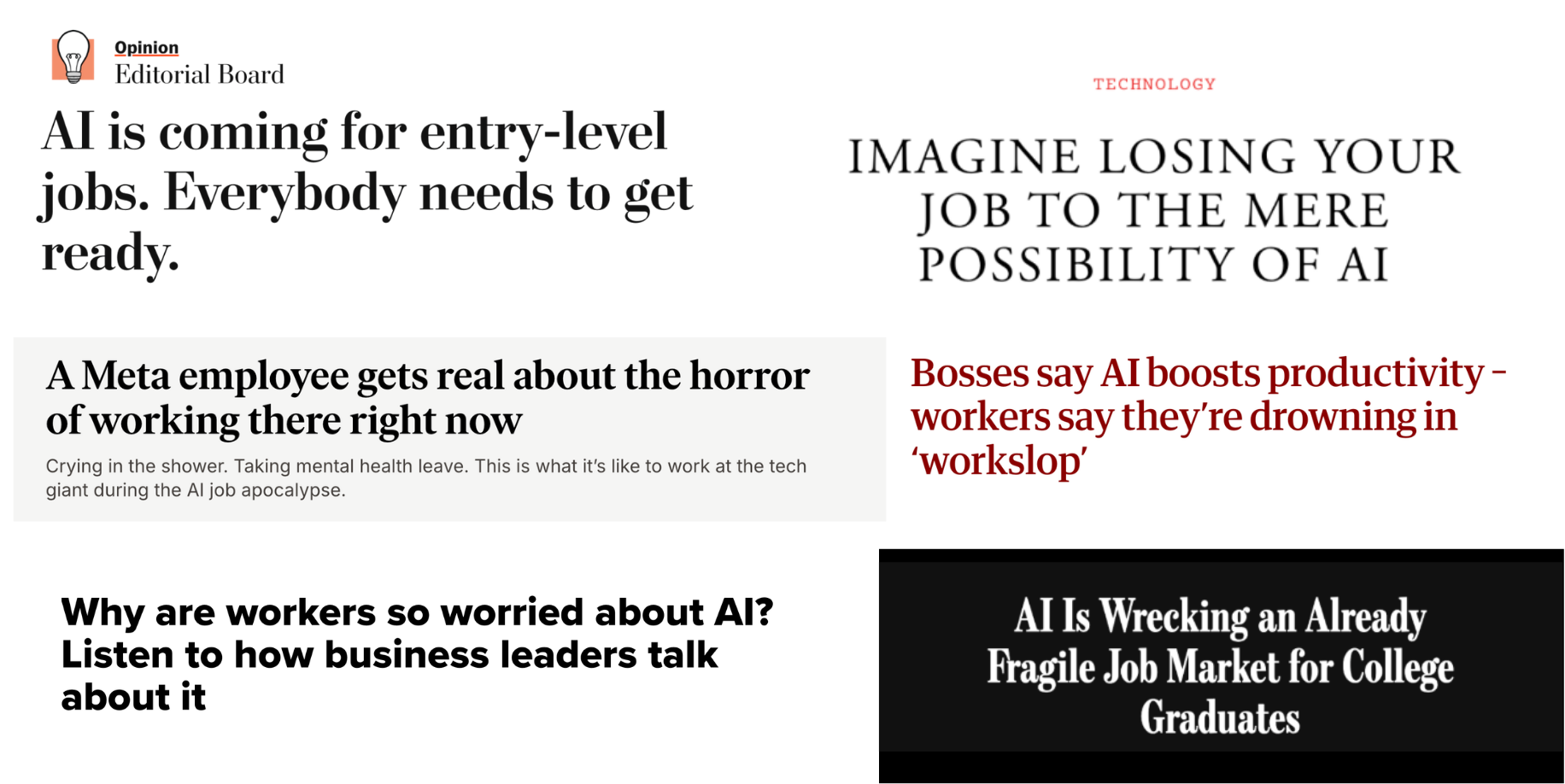
The headlines about AI and jobs are loud and confident.
So where is that certainty coming from? We read 28 of the research publications most widely cited in news articles and opinion pieces.
It's the predictions that sound the most dire that tend to grab attention and shape the public conversation. But these studies have some serious limitations.
You don't have to take our word for it. We'll show you exactly what we found.
To understand what the research says, you have to start with where the data comes from.
Studies draw from three main sources: government data, AI companies, and other corporate sources.
But widely cited research often treats AI company data as sufficient on its own—when we would instead benefit from a fuller picture that includes data from workers and companies adopting AI as well as independent verification of the capabilities of AI tools.
Employment & wages across the economy
Patterns of hiring and firing
AI usage data
Used to build models that predict which workers are 'exposed' to AI replacement
⚠️ AI company data alone is insufficient—yet some of the most cited studies use only this source.
We sorted the 28 studies into three categories.

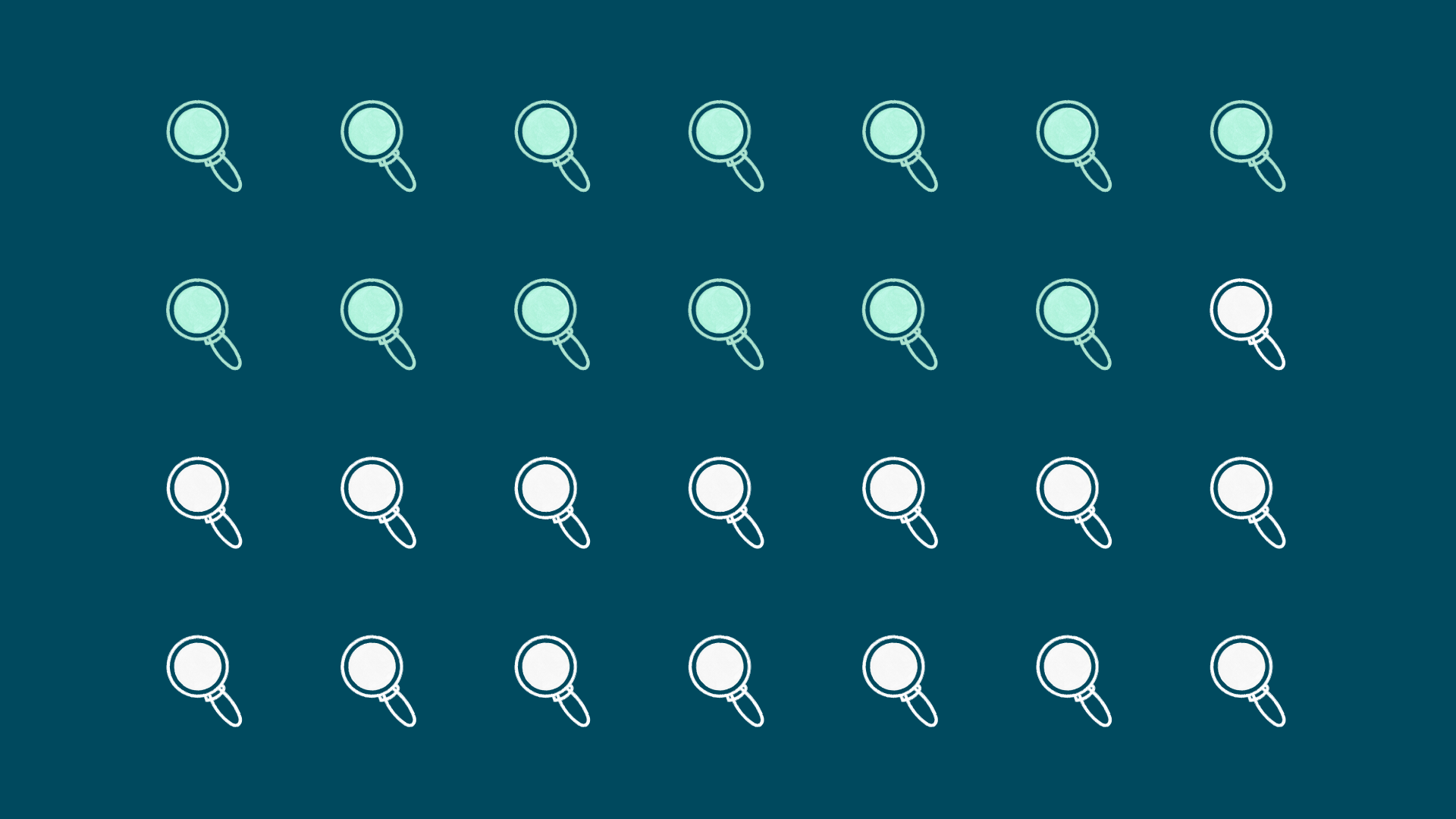


We sorted the 28 studies into three categories.
13 studies find AI is causing or will cause significant job displacement. More than half of these used an AI model to determine whether tasks could be performed by AI—in some cases, the same AI tools whose capabilities were being evaluated. For example, researchers utilized an analysis tool that uses Claude to analyze user's conversations with Claude across occupational tasks.
13 studies find it's unclear whether, when, or how AI will displace jobs. These tend to use a wider range of data sources and more cautious methods. They're also the ones you're less likely to have seen in a headline.
2 studies find that any displacement will be offset by new jobs and opportunities created by AI adoption.
13 studies find AI is causing or will cause significant job displacement. More than half of these used an AI model to determine whether tasks could be performed by AI—in some cases, the same AI tools whose capabilities were being evaluated. For example, researchers utilized an analysis tool that uses Claude to analyze user's conversations with Claude across occupational tasks.
13 studies find it's unclear whether, when, or how AI will displace jobs. These tend to use a wider range of data sources and more cautious methods. They're also the ones you're less likely to have seen in a headline.
2 studies find that any displacement will be offset by new jobs and opportunities created by AI adoption.
The studies with the most rigorous methods are also the most uncertain about their conclusions. But those don't make headlines.
For a full list of these studies, scroll down to the Citations section.
The most headline-grabbing studies are usually based on the concept of 'task exposure.' So what exactly is task exposure?
Researchers break jobs into individual tasks, then ask an AI tool or a non-expert: could an AI tool perform this task as well or better than a worker with expertise in the job?
If yes, that task is considered 'exposed' to AI. Workers with exposed tasks are counted as at risk.
How a 'task exposure' score gets built
Start with a job
e.g. paralegal, radiologist, customer service rep
Break it into individual tasks
a job is treated as a checklist of discrete tasks
Ask: could AI do this task as well as an expert?
often judged by an AI model itself, or by a non-expert—not the worker actually doing the job
Workers with exposed tasks are counted 'at risk'
this becomes the headline number

This is a problem because the task exposure methodology is based on several questionable assumptions.

That AI tools or non-experts can accurately judge whether AI could perform a real-world work task, especially in complex workplace environments.
That jobs are simply collections of isolated tasks—ignoring how tasks within a job are interconnected and interdependent.
That if AI can do a task, employers will actually replace the worker who does it.
These studies also cannot separate AI's impact from other factors that motivate employers to lay off workers.
Studies with more rigorous methods ask better questions

Not all studies reach dramatic conclusions. Some find that it is unclear when and how AI may cause job displacement, if at all. Others find that displacement will be offset by new jobs and shifting demand. What these studies share: they go beyond task exposure data and use more rigorous, diverse methods.
These studies do more than just asking 'can AI do this task better'—they ask questions that can be directly connected to how things work in real life, including:
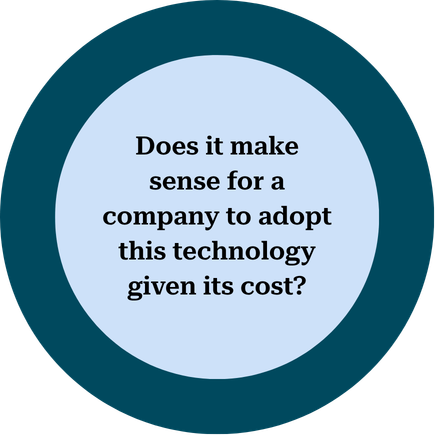
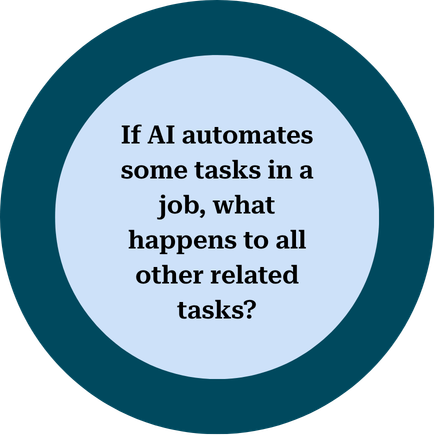
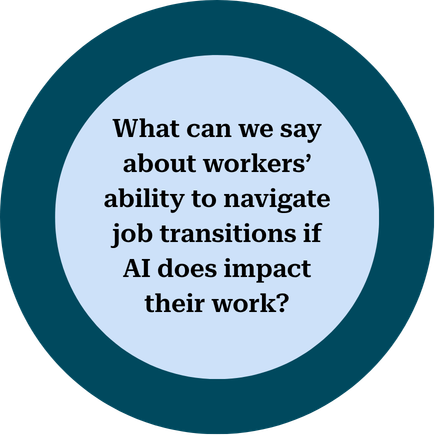
They answer these questions using data drawn not just from AI model usage, but from workers and companies at the frontlines of AI adoption.
The key takeaways
Understand the methodological limitations behind some of the headline-grabbing conclusions.
Look for studies which go beyond exposure data—data directly collected from workers and companies can fill important gaps which exposure data cannot.
The research is important, but we don't have to wait for a consensus to take action.

The science on AI and job displacement is far less settled than the headlines suggest.
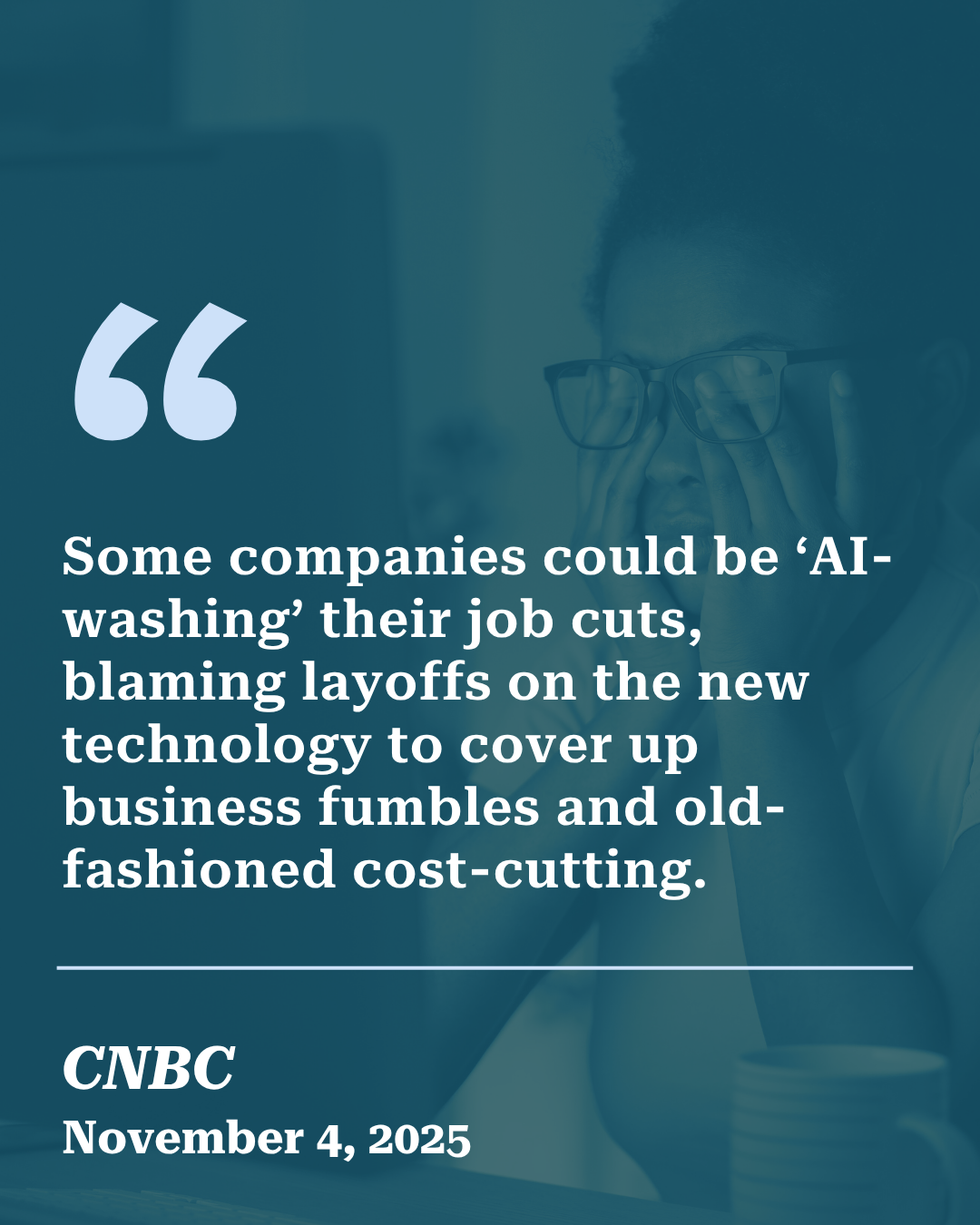
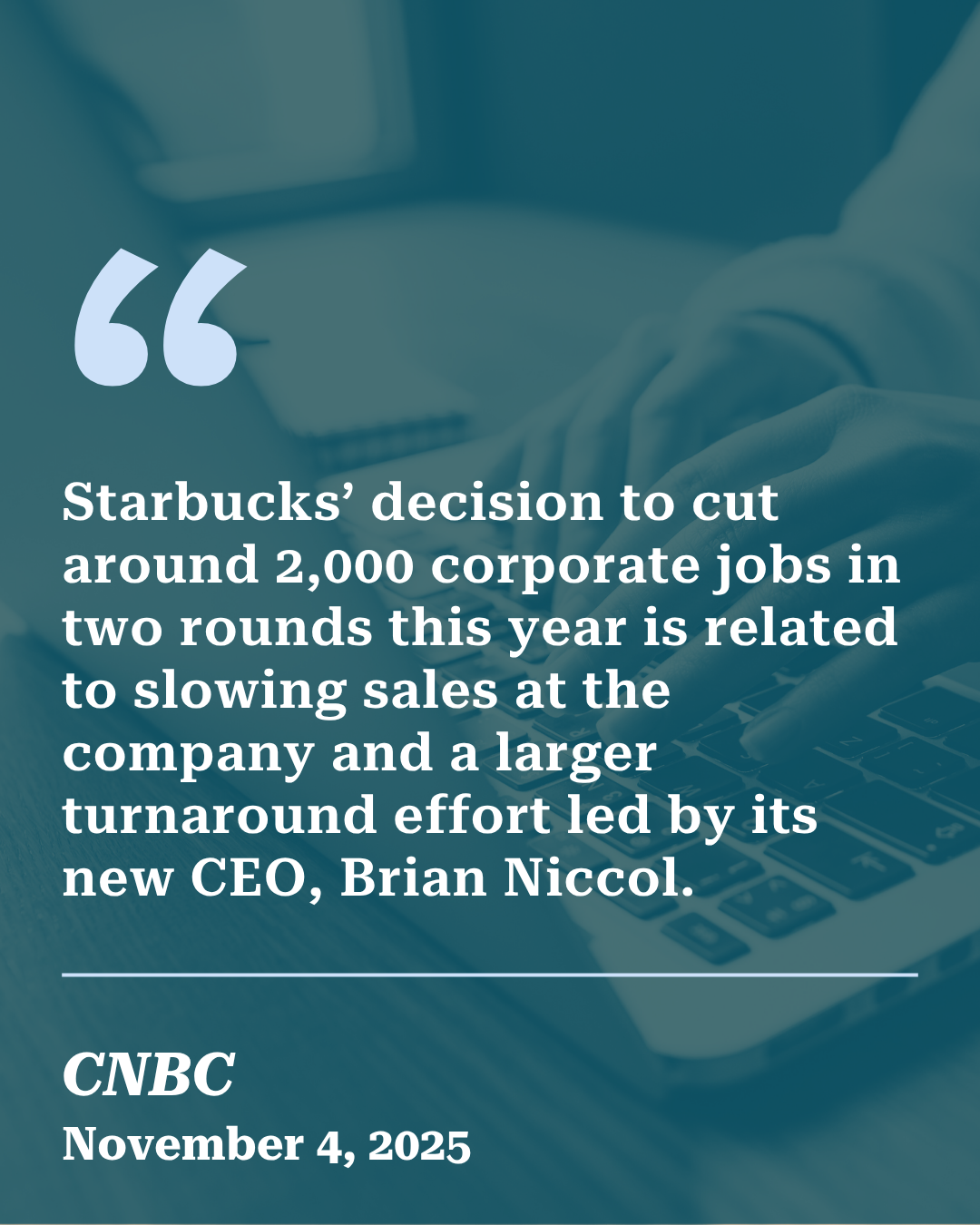
Many layoffs attributed to AI had nothing to do with machines replacing workers.
Companies laid off workers to correct pandemic over-hiring, to signal investors—then let AI take the blame.
This is documented in earnings calls and financial filings—often the same quarter executives cited AI to journalists.
You're not losing to a machine. In many cases, you're losing to a story being told about a machine.
None of this is inevitable .
The story that AI is an unstoppable force is just that—a story. A narrative that happens to be very convenient for the companies making decisions about when to automate, when to hire, and when to let people go.
The future is up to us.
You've just done something most people haven't.
You've looked behind the headlines—at where the data comes from, what the limitations of the research are, and why the story being told about AI and jobs doesn't always hold up.
People who understand what's actually driving these decisions are harder to mislead.
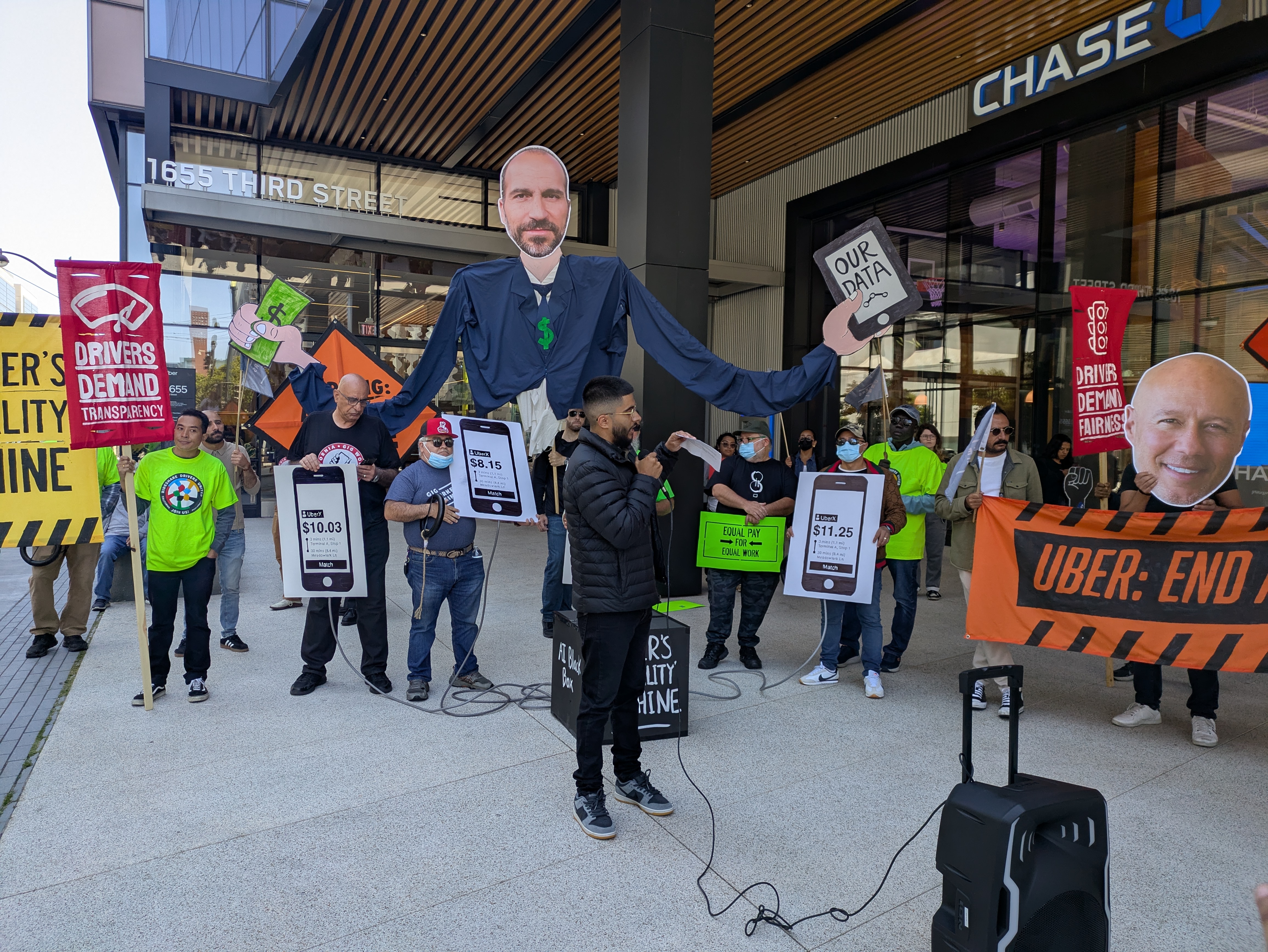
Some workers already knew this—and acted on it.
Now you know too. Pass it on.
Dig deeper

TechEquity Tech Worker Resource Hub
techequity.us/tech-worker-resource-hubLuddite Lab Worker Resource Hub
labor.dair-institute.orgNegotiating Tech: An Inventory of U.S. Union Contract Provisions for the Digital Age
laborcenter.berkeley.edu/negotiating-techPapers we reviewed for this analysis:
Studies finding AI is causing or will cause job displacement
- Maiden Labs. (n.d.). AI & Job Vulnerability. Maiden Labs. Retrieved July 2, 2026, from https://www.maidenlabs.org/ai-and-job-vulnerability
- Brynjolfsson, E., Bharat, C., & Chen, R. (2025, November 3). Canaries in the Coal Mine? Six Facts about the Recent Employment Effects of Artificial Intelligence. Stanford Digital Economy Lab. https://digitaleconomy.stanford.edu/publication/canaries-in-the-coal-mine-six-facts-about-the-recent-employment-effects-of-artificial-intelligence/
- Cognizant. (2026). Cognizant—New work, new world 2026: How AI is reshaping work. Cognizant. https://www.cognizant.com/en_us/aem-i/document/ai-and-the-future-of-work-report/new-work-new-world-2026-how-ai-is-reshaping-work.pdf
- Maiden Labs. (n.d.). Cubit—AI Job Resilience Assessment | Maiden Labs. Retrieved July 2, 2026, from https://cubit.maidenlabs.tools
- Hosseini Maasoum, S. M., & Lichtinger, G. (2025). Generative AI as Seniority-Biased Technological Change: Evidence from U.S. Résumé and Job Posting Data (SSRN Scholarly Paper No. 5425555). Social Science Research Network. https://doi.org/10.2139/ssrn.5425555
- Kinder, M., de Souza Briggs, X., Muro, M., & Liu, S. (2024). Generative AI, the American worker, and the future of work | Brookings. Brookings Institute. https://www.brookings.edu/articles/generative-ai-the-american-worker-and-the-future-of-work/
- Eloundou, T., Manning, S., Mishkin, P., & Rock, D. (2023). GPTs are GPTs: An Early Look at the Labor Market Impact Potential of Large Language Models (arXiv:2303.10130). arXiv. https://doi.org/10.48550/arXiv.2303.10130
- Revelio Labs. (2025). Is AI responsible for the rise in entry-level unemployment? https://www.reveliolabs.com/news/macro/is-ai-responsible-for-the-rise-in-entry-level-unemployment/
- Project Iceberg—Coordinating the Human-AI Future. (n.d.). Retrieved July 2, 2026, from https://iceberg.mit.edu/
- Muro, M., Methkupally, S., & Kinder, M. (2025). The geography of generative AI's workforce impacts will likely differ from those of previous technologies. Brookings Institute. https://www.brookings.edu/articles/the-geography-of-generative-ais-workforce-impacts-will-likely-differ-from-those-of-previous-technologies/
- Pew Research Center. (2023). Which U.S. Workers Are More Exposed to AI on Their Jobs? Pew Research Center. https://www.pewresearch.org/wp-content/uploads/sites/20/2023/07/st_2023.07.26_ai-and-jobs-1.pdf
- Tomlinson, K., Jaffe, S., Wang, W., Counts, S., & Suri, S. (2025). Working with AI: Measuring the Applicability of Generative AI to Occupations (arXiv:2507.07935). arXiv. https://doi.org/10.48550/arXiv.2507.07935
- Chanoi, C., & Bangert-Drowns, C. (2025). Workplace exposure to artificial intelligence is higher among U.S. workers with higher wages, depending on how AI is used. Washington Center for Equitable Growth. https://equitablegrowth.org/workplace-exposure-to-artificial-intelligence-is-higher-among-u-s-workers-with-higher-wages-depending-on-how-ai-is-used/
Studies finding it unclear when and how AI may cause job displacement—or whether it will at all
- Vanguard Research. (2025). AI exuberance: Economic upside, stock market downside. Vanguard Research.
- Frank, M. R., Sabet, A. J., Simon, L., Bana, S. H., & Yu, R. (2026). AI-exposed jobs deteriorated before ChatGPT (arXiv:2601.02554). arXiv. https://doi.org/10.48550/arXiv.2601.02554
- Svanberg, M., Li, W., Fleming, M., Goehring, B., & Thompson, N. (2024). Beyond AI Exposure: Which Tasks are Cost-Effective to Automate with Computer Vision? SSRN Electronic Journal. https://doi.org/10.2139/ssrn.4700751
- Gimbel, M., Kinder, M., Kendall, J., & Lee, M. (2025). Evaluating the Impact of AI on the Labor Market: Current State of Affairs | The Budget Lab. Yale Budget Lab. https://budgetlab.yale.edu/research/evaluating-impact-ai-labor-market-current-state-affairs
- Oxford Economics. (2026). Evidence of an AI-driven shakeup of job markets is patchy. Oxford Economics. https://www.oxfordeconomics.com/wp-content/uploads/2026/01/Evidence-of-an-AI-driven-shakeup-of-job-markets-is-patchy.pdf
- Freund, L., & Mann, L. (2025). Job Transformation, Specialization, and the Labor Market Effects of AI | Opportunity & Inclusive Growth Institute. Federal Reserve Bank of Minneapolis. https://www.minneapolisfed.org/research/institute-working-papers/job-transformation-specialization-and-the-labor-market-effects-of-ai
- Bowen, T. (2025, July 17). Main Street Meets Machine Learning: Inside the AI Productivity Boom at Small Businesses | Gusto. Gusto Insights. https://gusto.com/resources/gusto-insights/smbs-using-ai-2025
- The Burning Glass Institute. (2025). No Country for Young Grads: The Structural Forces That Are Reshaping Entry-Level Employment. The Burning Glass Institute. https://static1.squarespace.com/static/6197797102be715f55c0e0a1/t/68fa5bb9f727046443900bc4/1761237945960/No%2BCountry%2Bfor%2BYoung%2BGrads%2BV_Final7.29.25%2B%281%29.pdf
- Gans, J. S., & Goldfarb, A. (2026). O-Ring Automation (Working Paper No. 34639). National Bureau of Economic Research. https://doi.org/10.3386/w34639
- Humlum, A., & Vestergaard, E. (2025). Still Waters, Rapid Currents: Early Labor Market Transformation under Generative AI (Working Paper No. 33777). National Bureau of Economic Research. https://doi.org/10.3386/w33777
- Bernard, B. (2025, July 30). The US Tech Hiring Freeze Continues. Indeed Hiring Lab. https://www.hiringlab.org/2025/07/30/the-us-tech-hiring-freeze-continues/
- Bonney, K., Breaux, C., Buffington, C., Dinlersoz, E., Foster, L. S., Goldschlag, N., Haltiwanger, J. C., Kroff, Z., & Savage, K. (2024). Tracking Firm Use of AI in Real Time: A Snapshot from the Business Trends and Outlook Survey (Working Paper No. 32319). National Bureau of Economic Research. https://doi.org/10.3386/w32319
- Atkinson, T., & Yamco. (2026). Young workers' employment drops in occupations with high AI exposure—Dallasfed.org. Federal Reserve Bank of Dallas. https://www.dallasfed.org/research/economics/2026/0106
Studies finding job displacement caused by AI will be offset by other factors
- Hampole, M., Papanikolaou, D., Seegmiller, B., & Schmidt, Lawrence. (2025). Artificial Intelligence and the Labor Market. Kellogg School of Management. https://www.kellogg.northwestern.edu/academics-research/research/detail/2025/artificial-intelligence-and-the-labor-market/
- Manning, S., & Aguirre, T. (2026). How Adaptable Are American Workers to AI-Induced Job Displacement? In The Economics of Transformative AI. University of Chicago Press. https://www.nber.org/books-and-chapters/economics-transformative-ai/how-adaptable-are-american-workers-ai-induced-job-displacement
Additional sources cited in this feature:
- Dreyfuss, E. (2026, May 15). A Meta employee gets real about the horror of working there right now | The San Francisco Standard. The San Francisco Standard. https://sfstandard.com/pacific-standard-time/2026/05/15/meta-employee-gets-real-horror-working-right-now/
- Kinder, M. (2024, April 12). Hollywood writers went on strike to protect their livelihoods from generative AI. Their remarkable victory matters for all workers. Brookings Institute. https://www.brookings.edu/articles/hollywood-writers-went-on-strike-to-protect-their-livelihoods-from-generative-ai-their-remarkable-victory-matters-for-all-workers/
- Chow, A. R. (2026, May 1). Inside Oracle’s Mass Layoffs and the Workers Fighting Back. Time. https://time.com/article/2026/04/30/oracle-layoffs-ai-tech-jobs/
- Quinnipac University Poll. (2026). The Age Of Artificial Intelligence: Americans’ AI Use Increases While Views On It Sour, Quinnipiac University Poll On AI Finds; 7 In 10 Think AI Will Cut Jobs With Gen Z The Most Pessimistic. https://poll.qu.edu/poll-release?releaseid=3955
- Brenan, M. (2026, April 9). Gen Z's AI Adoption Steady, but Skepticism Climbs. Gallup. https://news.gallup.com/poll/708224/gen-adoption-steady-skepticism-climbs.aspx
- Fonrouge, G., Palmer, A., & Holland, F. (2025, November 4). AI-washing and the massive layoffs hitting the economy. CNBC. https://www.cnbc.com/2025/11/04/white-collar-layoffs-ai-cost-cutting-tariffs.html
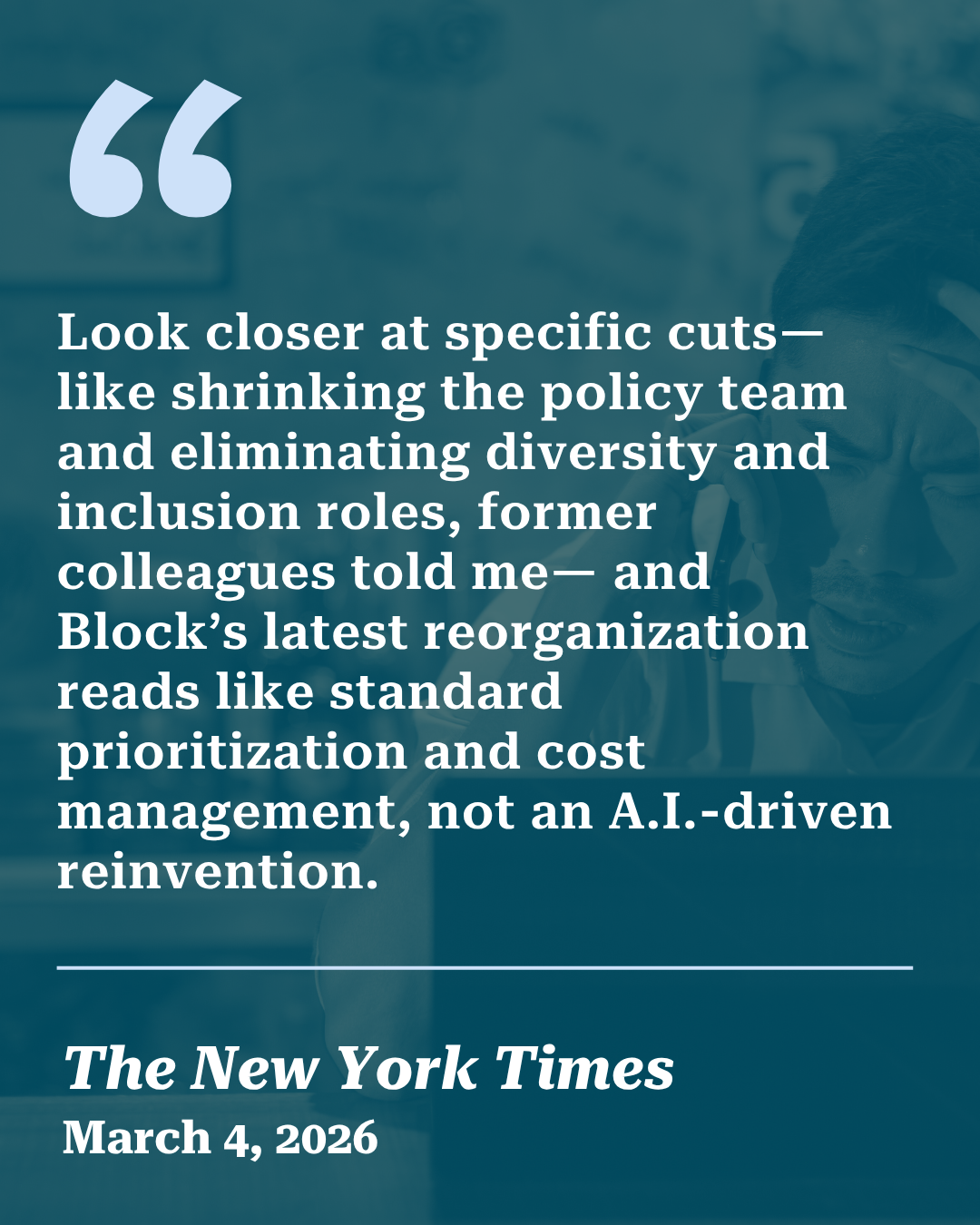
- Zamost, A. (2026, March 4). Opinion | I Worked for Block. Its A.I. Job Cuts Aren’t What They Seem. The New York Times. https://www.nytimes.com/2026/03/04/opinion/block-jack-dorsey-layoffs-ai.html
- Washington Baltimore News Guild. (2026, May 22). VICTORY: POLITICO agrees to shut down both AI tools at center of landmark arbitration | The NewsGuild - TNG-CWA. https://newsguild.org/victory-politico-agrees-to-shut-down-both-ai-tools-at-center-of-landmark-arbitration/
- UPTE. (2026, May 29). 2,100 UC tech workers launch the largest tech organizing drive in U.S. history. UPTE – University Professional & Technical Employees. https://upte.org/news/2100-uc-tech-workers-launch-the-largest-tech-organizing-drive-in-us-history
- Wong, Q. (2026, February 6). One of California’s first labor fights over AI is playing out at Kaiser. Los Angeles Times. https://www.latimes.com/business/story/2026-02-06/kaiser-workers-launch-war-against-ai-protesting-potential-job-losses-patient-harm
"Navigating the research on the impacts of AI on work, workers, and the labor market". , Washington Center for Equitable Growth, May 21, 2026
"Myths About Generative AI, Productivity, And Job Displacement". , Distributed AI Research Institute, May 2026
"Why AI hasn't caused a job apocalypse—so far". , Nature, March 24, 2026
"How many jobs will AI eliminate? Nobody really knows, and here's why". , Fortune, March 7, 2025
"Research on AI and the labor market is still in the first inning". , The Hamilton Project, March 10, 2026
"How Will AI-driven Automation Actually Affect Jobs? The economics of AI exposure and job displacement". , March 23, 2026